Elderly Care Tips: Taking Care of Elderly Jobs

Loading...

Being a caregiver for the elderly involves more than just physical assistance; it also includes emotional and social support. Caregivers often find themselves wearing multiple hats, managing medical appointments, administering medication, and offering companionship.
As a caregiver, your role extends beyond physical tasks to include emotional and social support. Providing companionship can help alleviate feelings of loneliness and depression that many seniors experience. Engaging in meaningful conversations and activities can significantly enhance their emotional well-being. It’s important to listen actively and empathize with their feelings and concerns, creating a supportive environment where they feel valued and respected.
The life of a caregiver is multifaceted, often requiring you to juggle various responsibilities simultaneously. From attending medical appointments and managing medications to assisting with daily living activities, the demands can be overwhelming. Effective time management and organizational skills become crucial in ensuring that all tasks are handled efficiently. Prioritizing duties and perhaps using digital tools or apps to schedule and remind can help manage these responsibilities more effectively.
To excel in caregiving, continuous learning and training are vital. Engaging in professional training can equip you with the latest caregiving techniques and health care practices. Understanding the specific needs of elderly individuals, such as those related to dementia or mobility issues, can improve the quality of care you provide. Many organizations offer workshops and certifications that can enhance your skills and confidence in handling various caregiving challenges.
The demand for caregivers is on the rise, with a variety of roles available for those interested in this fulfilling career. Some of the common jobs include:
These roles focus on providing personalized care tailored to the needs of the elderly. Caregivers in these positions often work closely with seniors to understand their individual preferences and requirements, ensuring that they receive care that respects their dignity and enhances their quality of life. This personalized approach can involve developing customized care plans that address specific health concerns, dietary needs, and lifestyle preferences, making each day comfortable and fulfilling for the elderly.
These positions involve assisting seniors with daily tasks within their homes. Home help caregivers are instrumental in promoting independence while ensuring safety. Their duties may include housekeeping, meal preparation, and assistance with personal hygiene, helping seniors maintain their routines and independence in familiar surroundings. This role often requires sensitivity and adaptability to work effectively within the personal space of the elderly, respecting their home environment and preferences.
Similar to home help jobs, these roles require caregivers to ensure the comfort and safety of seniors in their residences. However, they may also involve a more comprehensive range of responsibilities, including medication management, health monitoring, and coordination of healthcare services. Caregivers in these roles often serve as a vital link between the elderly and healthcare professionals, ensuring that medical advice is followed and any health changes are promptly addressed.
To excel in adult care jobs, certain skills are essential:
Understanding the physical and emotional changes that come with aging is crucial. Patience is necessary when assisting with tasks that may take longer due to mobility or cognitive challenges. Compassionate care involves recognizing the emotional experiences of seniors, offering kindness and understanding that can significantly improve their quality of life. By approaching caregiving with empathy, you create an environment where seniors feel valued and respected.
Clear communication is key to understanding the needs of the elderly and ensuring they feel heard. Effective communication involves listening actively, speaking clearly, and being mindful of non-verbal cues. Establishing a rapport with the elderly helps in understanding their preferences and concerns, which can guide daily care decisions. Additionally, communicating effectively with healthcare providers and family members is essential to coordinate care efforts and address any issues promptly.
Every day can present new challenges, so being adaptable and resourceful is important. Whether it’s finding creative solutions to mobility issues or adapting activities to suit the seniors' abilities, problem-solving skills are invaluable. A proactive approach in anticipating potential challenges and devising strategies to address them can significantly enhance the caregiving experience. This adaptability ensures that care remains effective and responsive to the changing needs of the elderly.
Safety is a priority when caring for the elderly. Ensuring their environment is hazard-free can prevent accidents and promote independence.

While safety is crucial, it is equally important to encourage independence. Allow seniors to participate in activities they enjoy and can safely perform on their own. This not only enhances their quality of life but also boosts their confidence. Encouraging self-sufficiency in daily tasks, such as dressing or preparing simple meals, can empower seniors and foster a sense of accomplishment.
Making modifications to the home environment can significantly improve safety and comfort for the elderly. Consider rearranging furniture to create clear pathways and using contrasting colors to make essential items more visible. These adjustments can facilitate easier navigation and reduce the risk of accidents. Additionally, incorporating technology such as smart home devices can offer added convenience and safety.
Keeping seniors healthy involves more than just managing medications. It also includes promoting physical activity, balanced nutrition, and regular medical check-ups.
Scheduling regular medical appointments is vital to monitor health and address any concerns early. Keep a record of medical history, medications, and doctor appointments to ensure consistent care. Regular check-ups can help detect potential health issues before they become serious, allowing for timely interventions and adjustments to care plans.
Emotional well-being is just as important as physical health. Seniors often face feelings of loneliness or depression, making social interaction an essential part of caregiving.
Encourage family and friends to visit regularly. Creating a network of support can significantly enhance the emotional well-being of seniors. Regular visits and interactions can help alleviate feelings of isolation and provide opportunities for shared experiences and memories.

by zhao chen (https://unsplash.com/@zhaochen1975)
Encouraging seniors to participate in community activities can enhance their social connections and provide a sense of belonging. Explore local senior centers, clubs, or volunteer opportunities where they can engage with peers and contribute to the community. These interactions can foster new friendships and provide a fulfilling social outlet.
Technology can be a valuable tool in managing care and improving the quality of life for the elderly.
Incorporating smart home devices can enhance safety and convenience for seniors. Devices like smart thermostats, automated lighting, and voice-activated assistants can make daily tasks easier and more accessible. These technologies can also offer caregivers remote monitoring capabilities, providing peace of mind when they are not physically present.
The internet offers a wealth of resources for both caregivers and seniors. Online forums, support groups, and educational platforms can provide valuable information and a sense of community. Encouraging seniors to explore these resources can empower them with knowledge and connections that enhance their well-being.
Caregiving can be demanding, making self-care essential. Taking time for yourself ensures you remain healthy and capable of providing the best care possible.
Finding a balance between caregiving responsibilities and personal life is crucial. Set boundaries to ensure you have time for hobbies and social activities that bring joy and relaxation. Prioritizing personal interests and maintaining social connections can prevent feelings of isolation and enhance overall well-being.
Accessing professional support, such as counseling or therapy, can provide valuable coping strategies for managing stress. Utilize resources like respite care services to take a well-deserved break without compromising the quality of care for the elderly. Professional support can offer insights and techniques to navigate the challenges of caregiving more effectively.
Caring for the elderly is a rewarding yet challenging responsibility. By focusing on safety, health, emotional support, and utilizing technology, you can provide the best possible care. Remember that being a caregiver also means taking care of yourself, ensuring you are in the best position to support those who rely on you. Whether you are exploring take care of elderly jobs or are already in the field, these tips can guide you in making a meaningful difference in the lives of seniors. With the right skills, support, and resources, you can create a nurturing and fulfilling environment for the elderly, enriching their lives and your own.
Are you a caregiver looking for meaningful work? Or are you already caring for a loved one at home and wondering if you can get paid for the care you provide?
At InclusiveOne Home Care we offer rewarding opportunities for:
Whether you're seeking a caregiving career or already providing care for someone you love, we’re here to support you every step of the way.
Apply Now or contact us by Phone or Email to Learn More About Becoming a Paid Caregiver!
Your care makes a difference — let us help you make it a career.
[Join Our Team] [Get Paid to Care for Family]
Categories: Caregiver Jobs, Caregiver Jobs Near Me
 Oct. 7th, 2025
Explore diverse nursing home jobs with our guide. Discover rewarding opportunities near you in healthcare, administration, and support roles today!
 Jan. 6th, 2025
Unlock fulfilling careers in jobs caring for the elderly. Explore diverse roles, qualifications, and find job security in elder care services.
 Nov. 1st, 2024
Discover the rewarding world of home care living jobs. Explore opportunities in caregiver agency jobs, live-in roles, and more. Start your career today!
 Oct. 14th, 2025
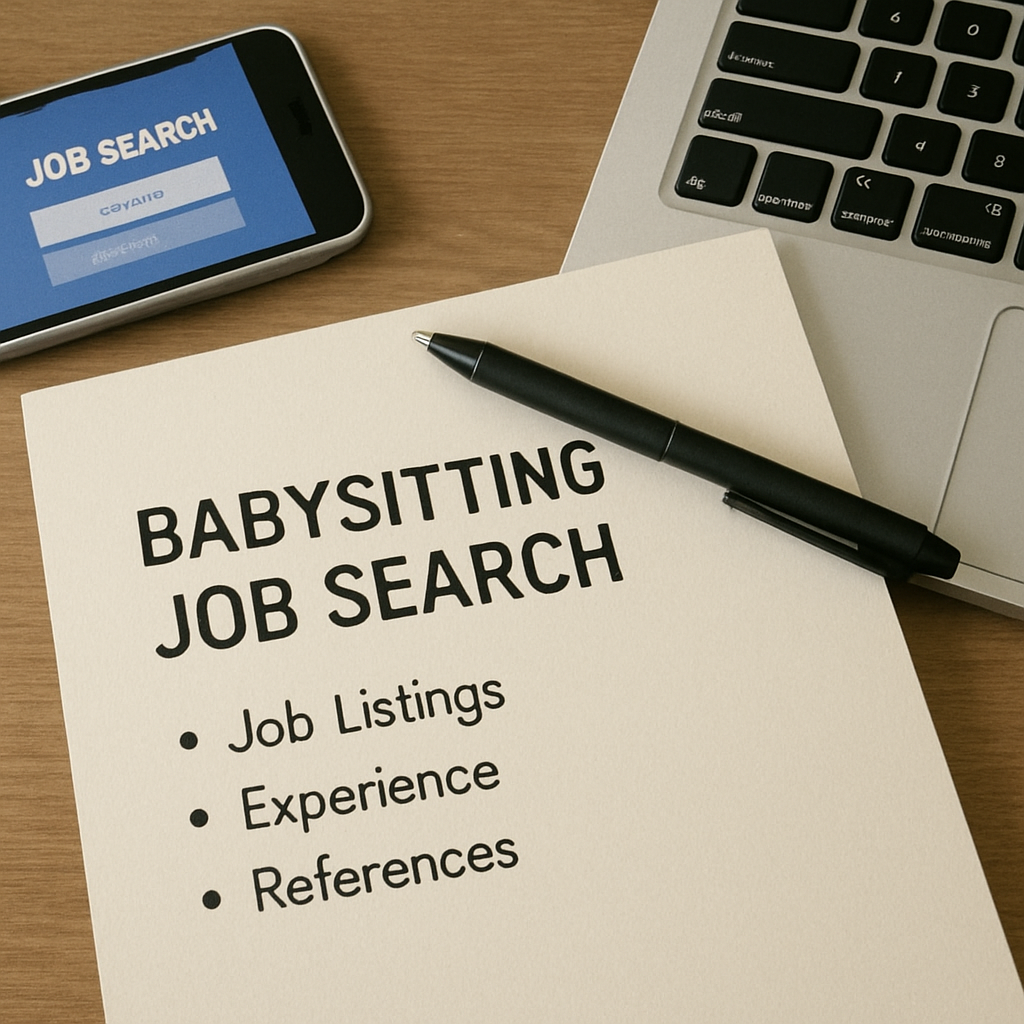
Discover effective ways to find local babysitting and nanny jobs near you. Learn strategies for job hunting, building skills, and engaging with children to secure rewarding babysitting positions.
 Apr. 7th, 2025
Explore the world of independent contractor caregiver roles, from essential skills and setting up your business to reporting income and finding jobs.
 Feb. 1st, 2025
Find the perfect in-home caregiver with our expert guide. Learn practical tips, caregiver search methods, and hiring advice for your loved one's care.
 May. 19th, 2025
Discover where to get babysitting jobs on top platforms like Care.com, Sittercity, and UrbanSitter. Start your babysitting employment today!
 Apr. 27th, 2025
Explore how family caregiver pay rates work. Learn options for financial support beyond Medicare and uncover potential compensation avenues.
 Dec. 14th, 2024
Discover how Medicaid caregiver reimbursement can help you get paid for caring for a family member. Learn about eligibility, programs, and payment options.
 Jan. 22nd, 2025
Discover the essential role of a personal care support assistant in enhancing quality of life through compassionate care, independence, and emotional support.
 Dec. 4th, 2024
Discover fulfilling "senior care jobs near me" with our guide. Explore part-time and full-time roles, and find opportunities in elderly care. Start your journey now!
 Aug. 5th, 2025
Experience the comfort and peace of mind with live-in care services, offering 24/7 personalized support and companionship right in your home.
May. 19th, 2025
Discover the essential home caregiver duties and responsibilities, from personal care to specialized medical support, ensuring elderly independence and family peace of mind.
 Jan. 12th, 2025
Discover essential skills for a successful career as a caregiver home care aide, from communication and empathy to training and certification.
 Jul. 14th, 2025
Discover rewarding career paths in caregiver agency jobs, explore private caregiver jobs without an agency, and learn effective job search tips to boost your career.
 Sep. 7th, 2025
Discover how to find a caregiver agency near me hiring now. Explore proven strategies to land caregiver jobs near you and advance your rewarding career.
 Mar. 4th, 2025
Discover how to become an independent contractor caregiver, manage responsibilities, find caregiver jobs, and thrive in a fulfilling and flexible career.
 Jan. 2nd, 2025
Discover how to become a paid caregiver for a parent through various programs. Get tips on financial support, eligibility, and balancing personal life while caring for your mother.
 Aug. 22nd, 2025
Discover how to simplify home care nurse hiring with expert tips on finding and selecting the right caregiver for elderly needs, ensuring compassionate and competent care.
 Apr. 18th, 2025
Explore rewarding senior care jobs near you with our guide on positions, qualifications, and job search tips. Discover elderly care opportunities today!